Turn Your Space into a Five‑Star Retreat
From Lobby Luxury to Living Room
Five-Star Layouts and Flow at Home
Textures, Bedding, and Bath: Tactile Comforts
Hotel Bed Blueprint
Spa-Worthy Bathroom Upgrades
Fabric and Material Mix
Layered Lighting Strategy
Anchor the room with a dimmable overhead on warm color temperature, add table lamps at eye level for intimacy, and use picture or shelf lights to sculpt depth. Replace harsh bulbs with 2700–3000K options. Create three scenes—morning, focus, unwind—and save them. Tell us which scene changed your evening mood.
Ambient Scent that Calms
Choose one signature fragrance family—citrus, wood, herbal, or floral—and keep it consistent across diffuser, soap, and linen spray for coherence. Set micro-doses near entries, never in eating zones. Rotate seasonally, not weekly, to avoid fatigue. Share your scent pairing and how guests describe the feeling upon stepping inside.
Quiet Comfort Through Acoustics
Layer rugs, lined curtains, bookshelves, and upholstered panels to absorb bounce and hush hard surfaces. Position soft elements opposite glass, add door sweeps, and use white noise intentionally. Measure echo with a clap test; aim for a gentle decay. Post your quickest acoustic fix so others replicate the hush.
Housekeeping Routines and Service Rituals, Simplified
Smart Tech and Personalization for a Suite-Like Feel
Controls that Disappear
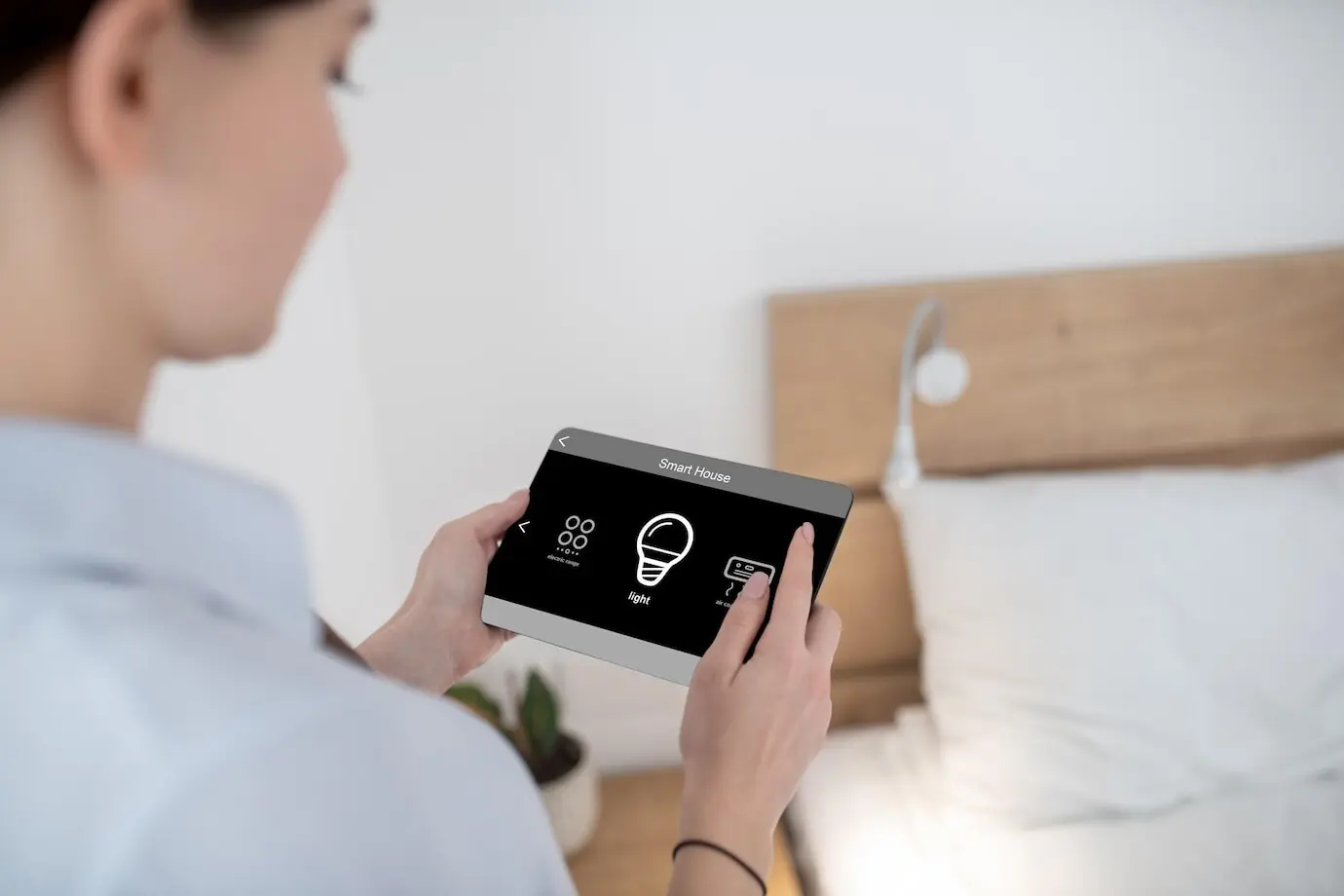
Group actions into a single button or voice cue: lights to warm, shades to evening, music to low jazz. Hide hubs, label discreetly, and ensure manual overrides. Test with visitors; if they struggle, simplify. Share your most elegant control setup and what finally made smart features feel invisible and gracious.
Data-Lite Personalization
Create comfort without invasive data: temperature presets, preferred lamp brightness, and shower flow settings saved locally. Offer guest profiles that reset automatically. Keep devices updated and permissions minimal. Tell us how you balance convenience with trust, and we’ll surface community guidelines for hospitality-level ease that respects boundaries and real life.
Automation that Feels Human
Schedule gentle cues aligned with circadian rhythms: blinds rise gradually, coffee starts softly, hallway lights glow before footsteps. Build in pauses so nothing startles. Audit automations quarterly and remove anything annoying. Describe one routine that genuinely improved mornings or bedtime, encouraging others to design technology that supports well-being gracefully.
All Rights Reserved.